
Find the Tools, Tips & How-To's You Need to Boost The BoTTom Line!
Apex Blog

Looking for something specific? Let us help you find it!
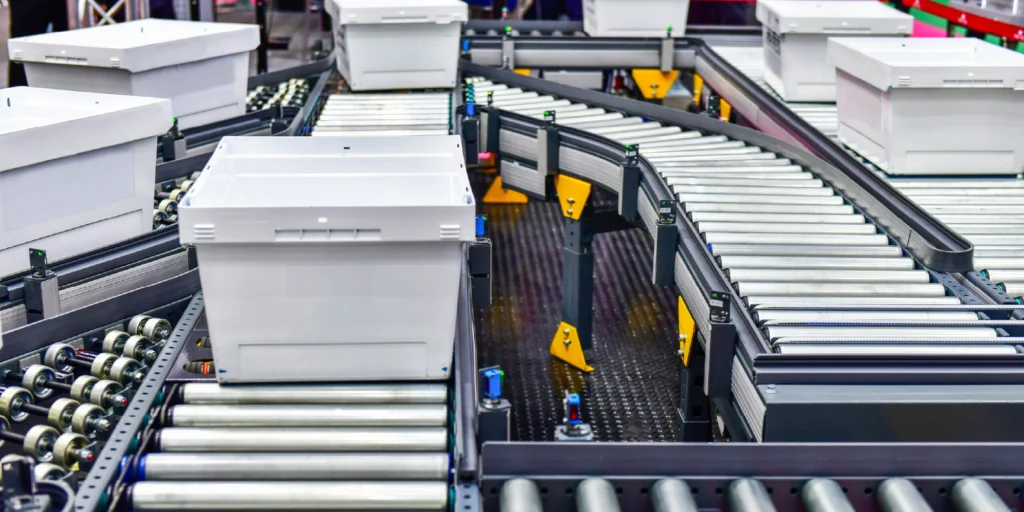
Manual Vs. Automated Conveyor Sortation: When To Make The Switch
Know When Conveyor Sortation Automation Makes Sense As order volumes grow and shipping demands become more complex, manual sorting processes can become harder to scale without adding labor, space, or operating cost. That is often when warehouse teams begin to consider conveyor sortation to improve product flow, routing accuracy, and outbound performance. The right approach…
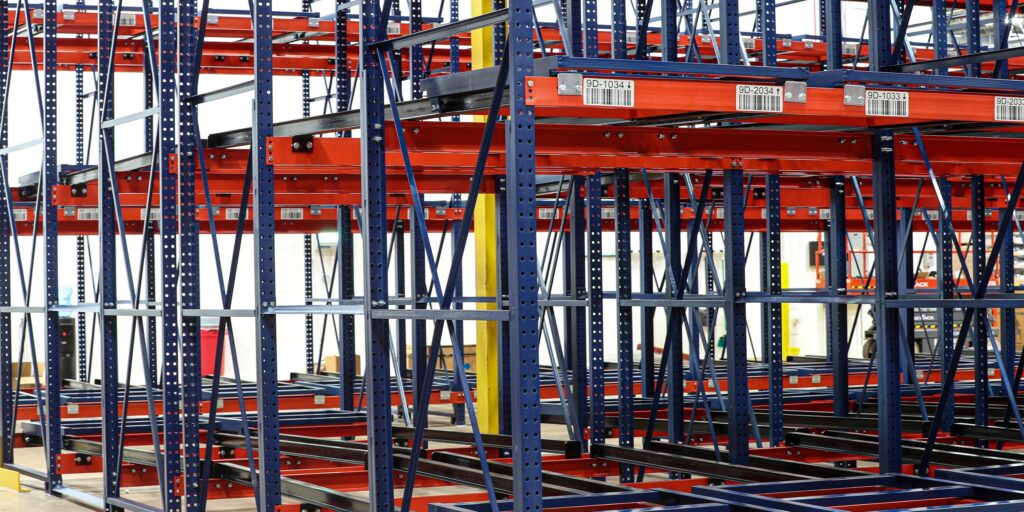
Push-Back Rack Forklift Operator Training
Steps for Loading and Unloading Push-Back Rack Push-back pallet rack is a high-density, Last-In/First-Out (LIFO) storage system that typically stores three to four pallets deep per lane, with deeper configurations available for some applications. Pallets rest on nested wheeled carts that travel along slightly inclined rails, allowing loads to move toward the aisle as the…
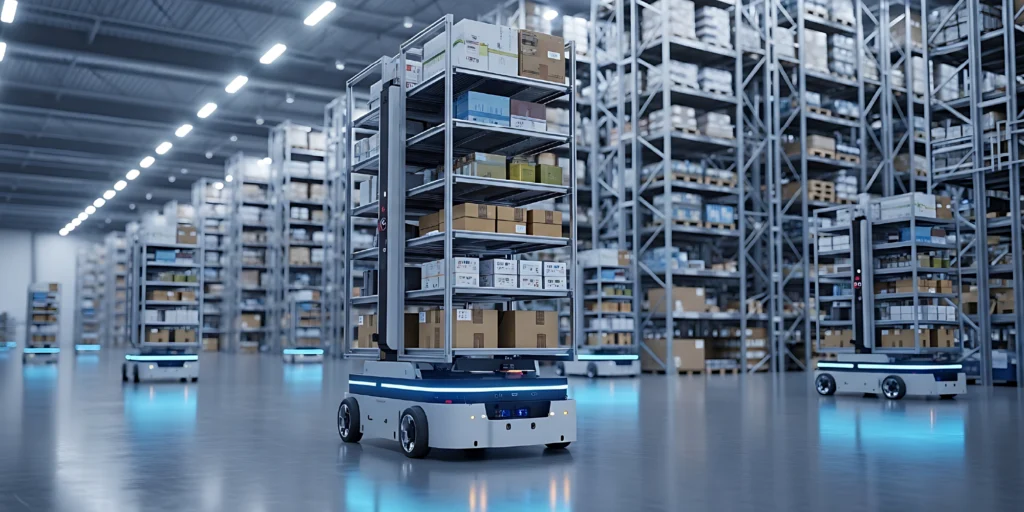
AMR Use Cases That Streamline ASRS Warehouse Workflow
How AMRs Help Extend the Value of ASRS Investments ASRS systems can transform warehouse space utilization while improving access to high-volume inventory and boosting throughput. By automating how inventory is stored, retrieved, and delivered, ASRS systems help reduce manual travel, improve accuracy, and keep fast-moving operations running more efficiently. The next opportunity for operational improvement…
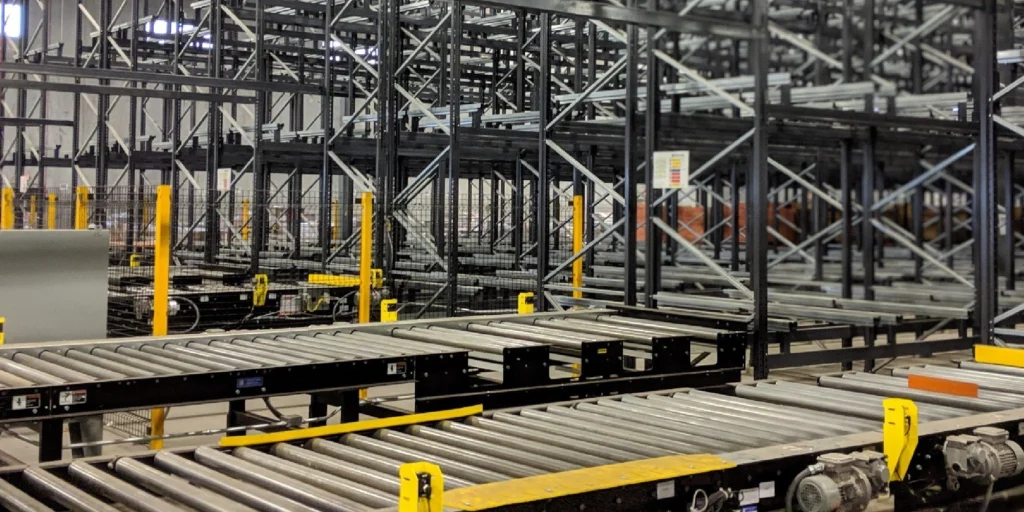
ASRS Systems For WIP Buffering In Manufacturing
Where Automated Buffering Helps Between Production Steps When one production stage outpaces the next, manufacturers feel the impact fast in the form of WIP buildup, staging congestion, and harder-to-control flow. Pallets build up in staging lanes or around work cells, forklift traffic increases, and production flow becomes more difficult to manage. ASRS Systems can turn…
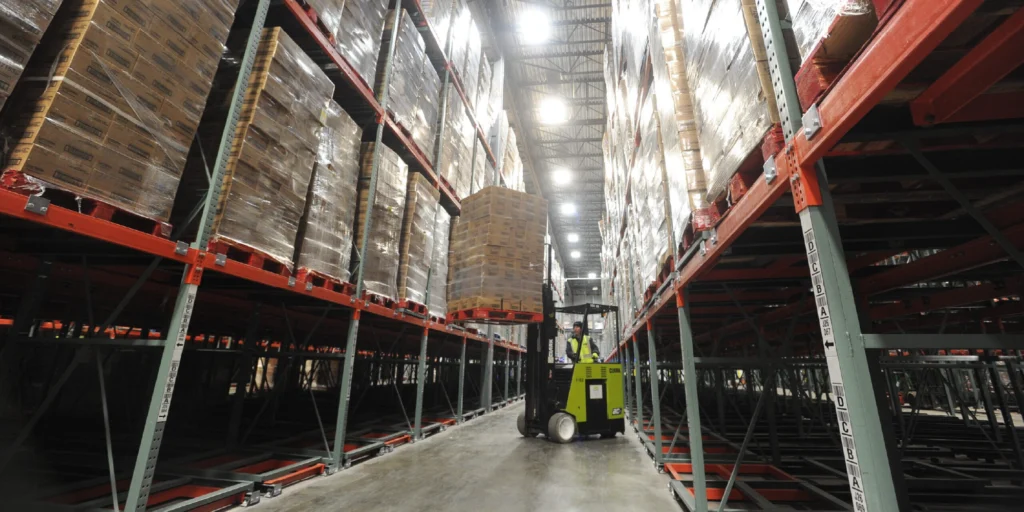
How Do Push Forces Affect Push-Back Rack Loading & Unloading?
What You Should Know About Push Forces & Push-Back Rack Safety A push-back rack is a dynamic, high-density storage system that uses nested wheeled carts and slightly inclined rails to store multiple pallets deep in individual storage lanes. During loading, a forklift pushes the pallets already in the lane backward and upward along the rails….
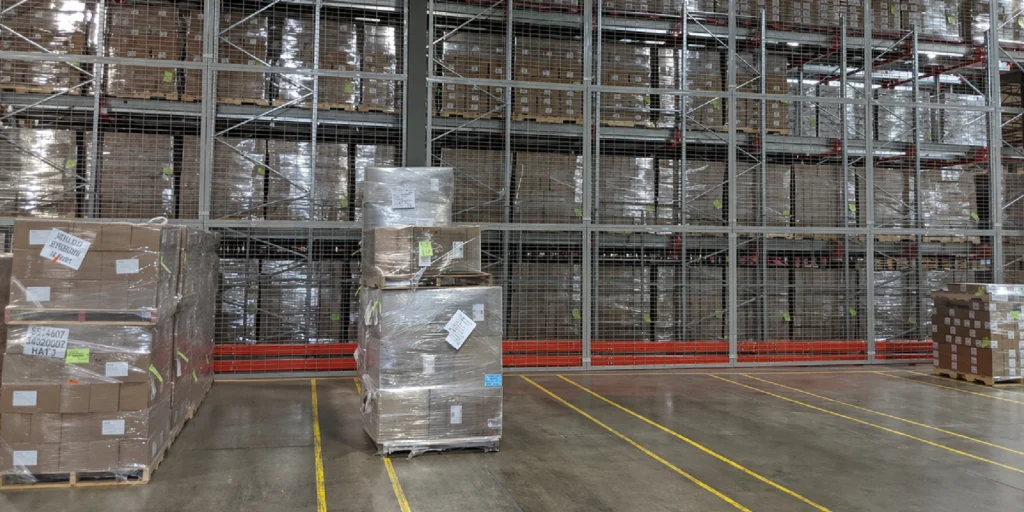
Automated Pallet Shuttle Safety: Planning Built-In Safety Protections
Guarding, Gates, And Access Control for ASRS Pallet Shuttle Systems Automated pallet shuttle systems can transform pallet storage by dramatically increasing storage density, reducing reliance on forklifts, and supporting faster, more consistent pallet handling. But even the most efficient system needs a safety strategy built into the layout from the beginning, especially around access points,…
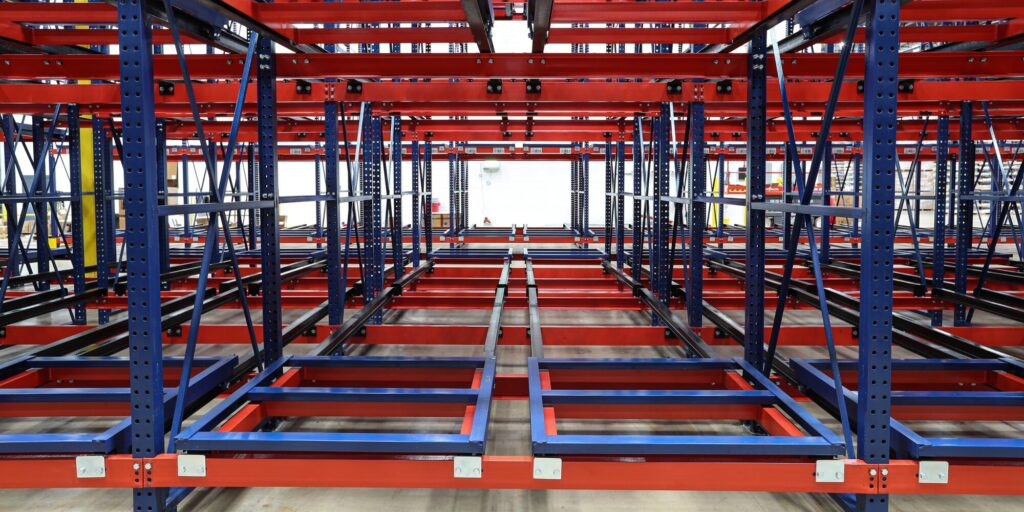
Need More Capacity? Push-Back on the Idea of Expansion
Push-Back Pallet Rack: Add Capacity Without Expanding Your Warehouse When pallet positions are running out, but there is no practical floor space left to expand, the right storage system can help recover capacity from underused warehouse cube. Push-back pallet rack is a high-density pallet storage solution that can help increase pallet storage capacity within a…
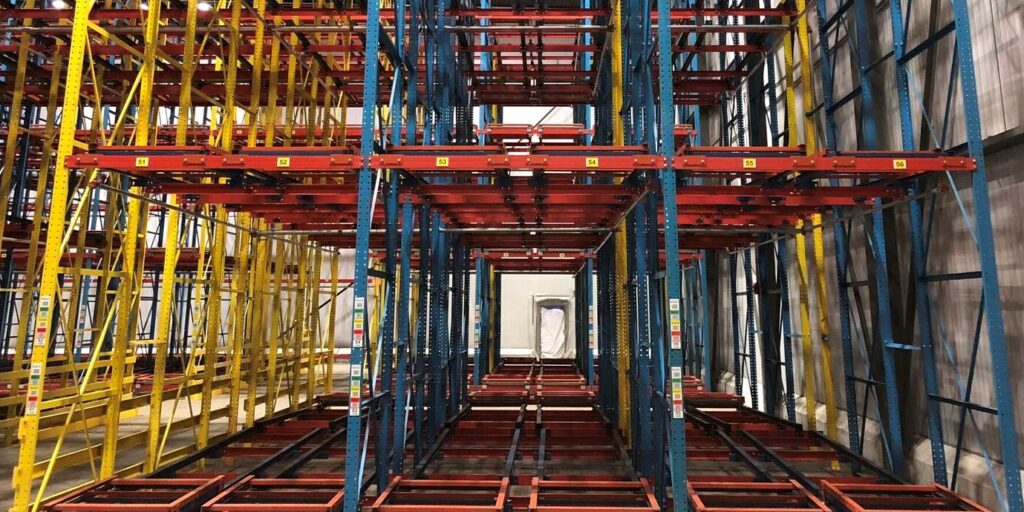
Operating and Optimizing Your Push-Back Pallet Rack System
How To Increase Productivity And Worker Safety With Push-Back Storage Push-back racking works by storing pallets on nested wheeled carts that travel along inclined rails. This allows each newly loaded pallet to push the previous pallet back while stored pallets flow forward for Last-In, First-Out retrieval. A well-designed and well-operated push-back rack system can help…
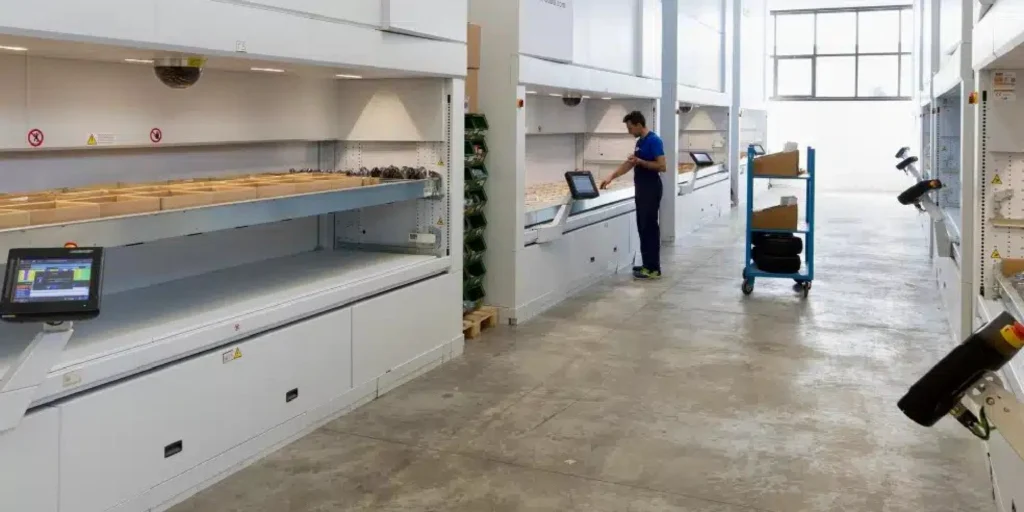
Vertical Lift Modules For Food And Beverage Warehousing: Where Small-Pick Automation Fits
Where VLMs Fit In Food And Beverage Small-pick fulfillment in food and beverage has quietly become one of the harder warehouse problems to solve. SKU counts are growing, order profiles are shifting toward eaches and split cases, and inventory requirements — lot control, expiration dates, temperature sensitivity, customer-specific handling — are adding complexity that static…
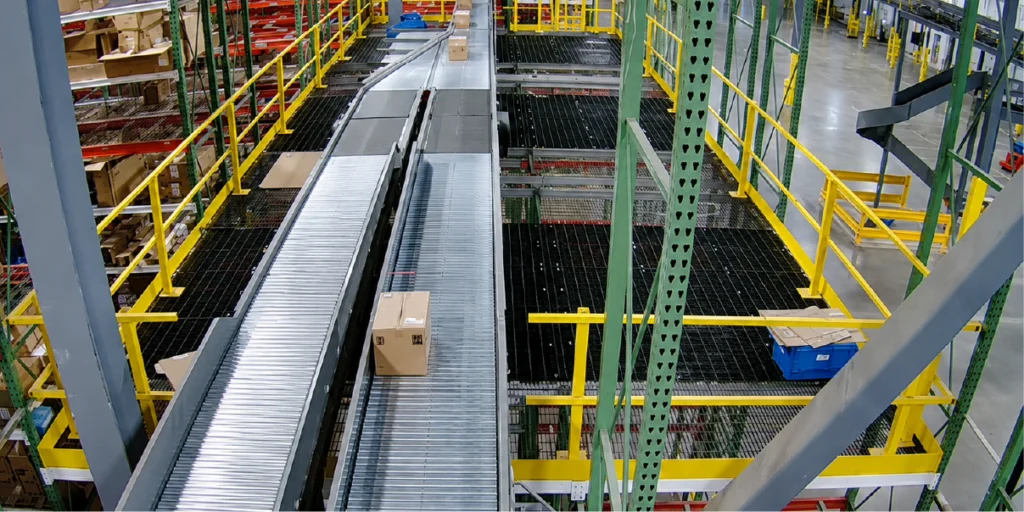
Can You Run A Conveyor Through A Pallet Rack Frame?
Yes, Conveyor Lines Can Pass Through Pallet Rack Frames – Here’s What to Know… Pallet rack frames can be engineered to accommodate warehouse conveyor systems to pass through the rack structure. In the right application, this approach can save considerable floor space, shorten conveyor travel paths, and support more efficient material flow throughout the facility….
